
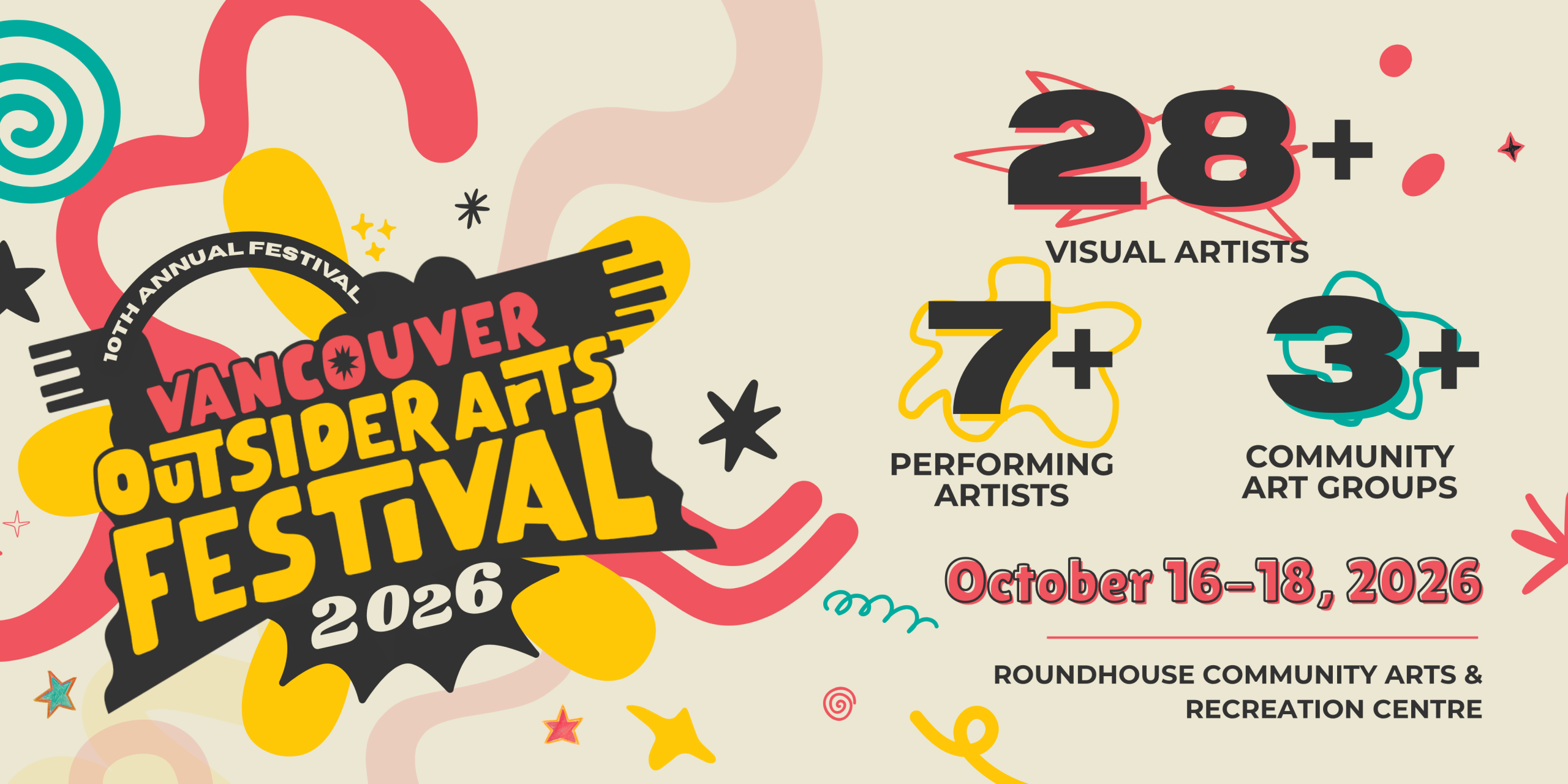
Vancouver Outsider Arts Festival 2026 Opening Event
DATE: October 16, 2026
TIME: 6:00 PM – 8:00 PM | Doors at 5:30 PM
LOCATION: Exhibition Hall Roundhouse Community Arts & Recreation Centre, 181 Roundhouse Mews, Vancouver, BC, V6Z 2W3
Join us to celebrate the opening of the 10th Annual Vancouver Outsider Arts Festival – a free, community-focused celebration bringing together artists, art lovers, friends, and neighbours to experience the incredible creativity and diversity of this year’s participating artists.
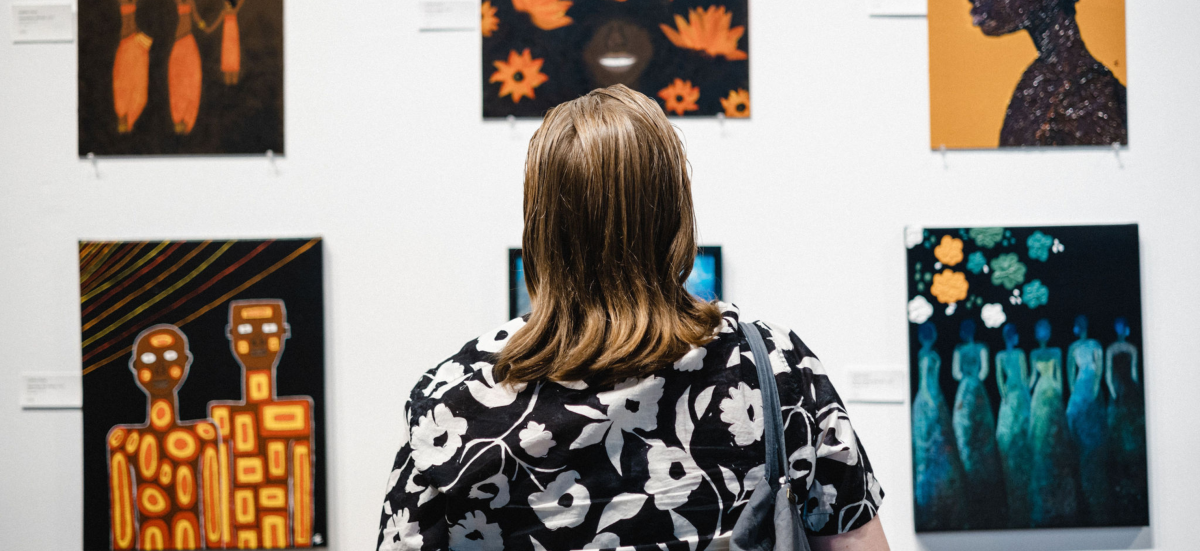
Be among the first to explore more than 400 artworks on display in the exhibition hall, offering a vibrant glimpse into the many perspectives, stories, and creative worlds represented at this year’s festival.
Speeches will be followed by an Indigenous Welcome and a performance by Yewchi.
Yewchi – Yewchi is a Vancouver-based guitarist, singer, composer, and recording artist whose music draws from roots, bluegrass, folk, jazz, blues, and improvisational traditions. His performances combine acoustic guitar, flatpicking, slide guitar, vocals, original compositions, and interpretations of traditional and contemporary roots music. He performs throughout Metro Vancouver at festivals, cultural events, municipal programs, and live music venues.
More than an opening night, this is an invitation to step beyond convention and experience art in its many unexpected, personal, and powerful forms. Come discover new perspectives, connect with the community, and celebrate the unfiltered imagination of outsider artists.
Free and open to everyone
We can’t wait to welcome you and celebrate this year’s remarkable artists!
Find out more about the Vancouver Outsider Arts Festival’s Opening Event here
Inclusive Curatorial Committee 2026
LeiGh Press
LeiGh Press
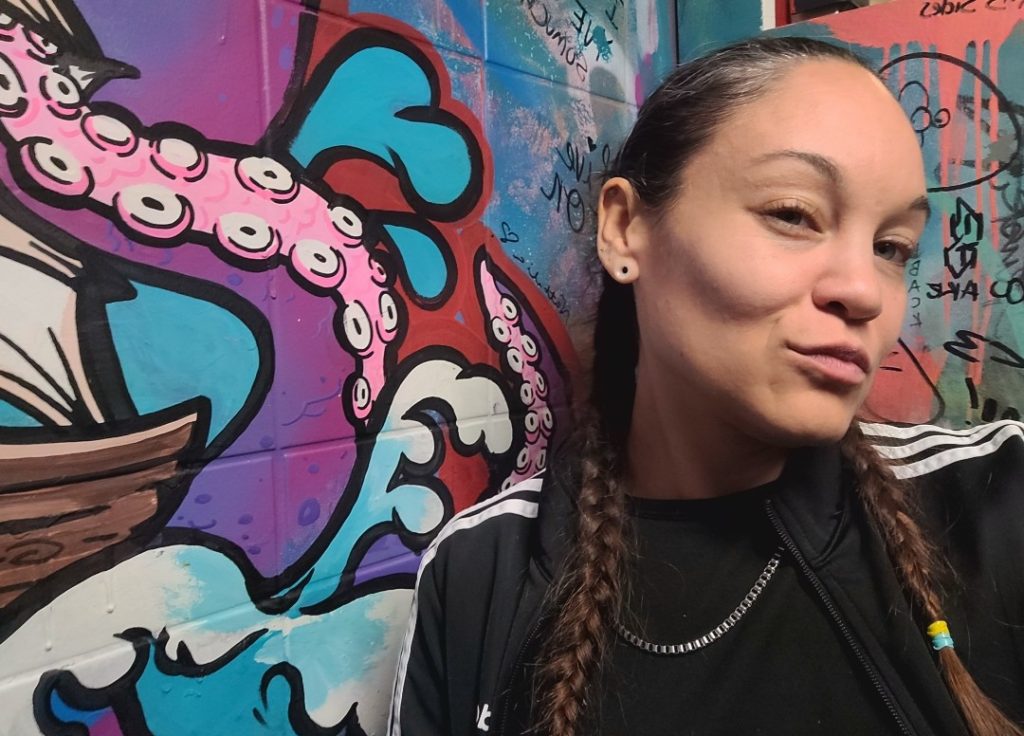
LeiGh Press is a mixed media visual artist, her greatest joy being creating art. When not arting, LeiGh lives to be outdoors. She works as a community support worker. Her daily encounters with crowy friends inspire much of her work. LeiGh is currently working on a memoire on grief.
Charlie Sandeman
Charlie Sandeman
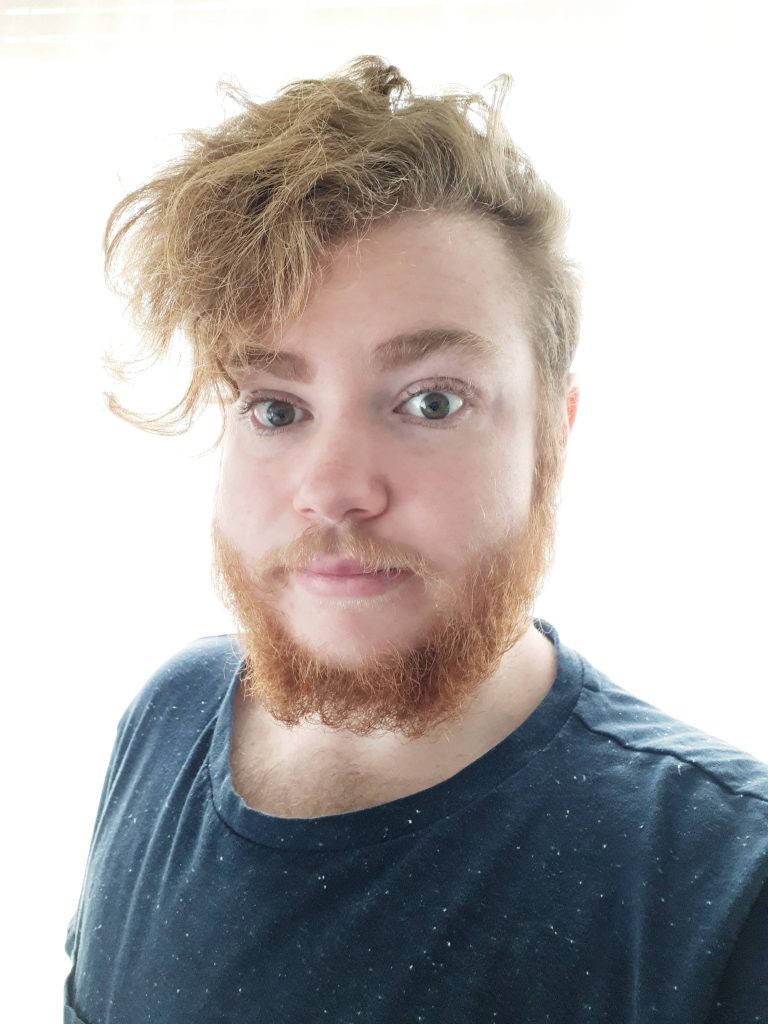
Charlie Sandeman (he/they) is a sculptural artist living on the occupied lands of the Sḵwx̱wú7mesh (Squamish), Səl̓ílwətaʔ (Tsleil-Waututh) and xʷməθkʷəy̓əm (Musqueam) First Nations. Working primarily in ceramics while exploring other sculptural mediums, his work explores themes related to trans and queer identity, chronic and mental illness, and neurodiversity.
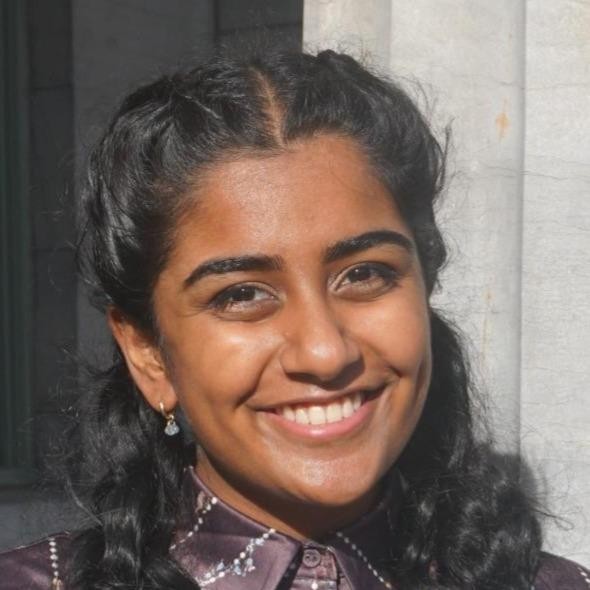
Taja De Silva
Taja De Silva
Taja is a seasoned writer, illustrator, and designer with experience working for various non-profit, Indigenous, and legal organizations. She was a first-generation student when she attended McGill University, achieving a B.A. in Religious Studies and Geography in 2022.
Currently, Taja is working on the launch of her independent art practice and is excited to bring that perspective, among many, to the CACV Board. Taja is connected to her Fijian-Indian heritage and is committed to equity, accessibility, and culturally grounded approaches to work and care. She is also training to become a Paramedic, starting with Emergency Medical Responder (EMR) training, and is an Emergency Department Support Volunteer at St. Paul’s Hospital, where she supports people in moments of acute crisis.
Outside of work, Taja enjoys skiing, traveling, and the arts, but nothing beats a home-cooked meal from her Auwa (“grandma”).
Taja was born in Kitimat, BC, on the unceded territory of the Haisla Nation, and now lives and works in Vancouver, on the unceded territories of the xʷməθkʷəy̓əm (Musqueam), Sḵwx̱wú7mesh (Squamish), and səlilwətaɬ (Tsleil-Waututh) Nations. If you have a project geared at supporting northern artists, let her know!
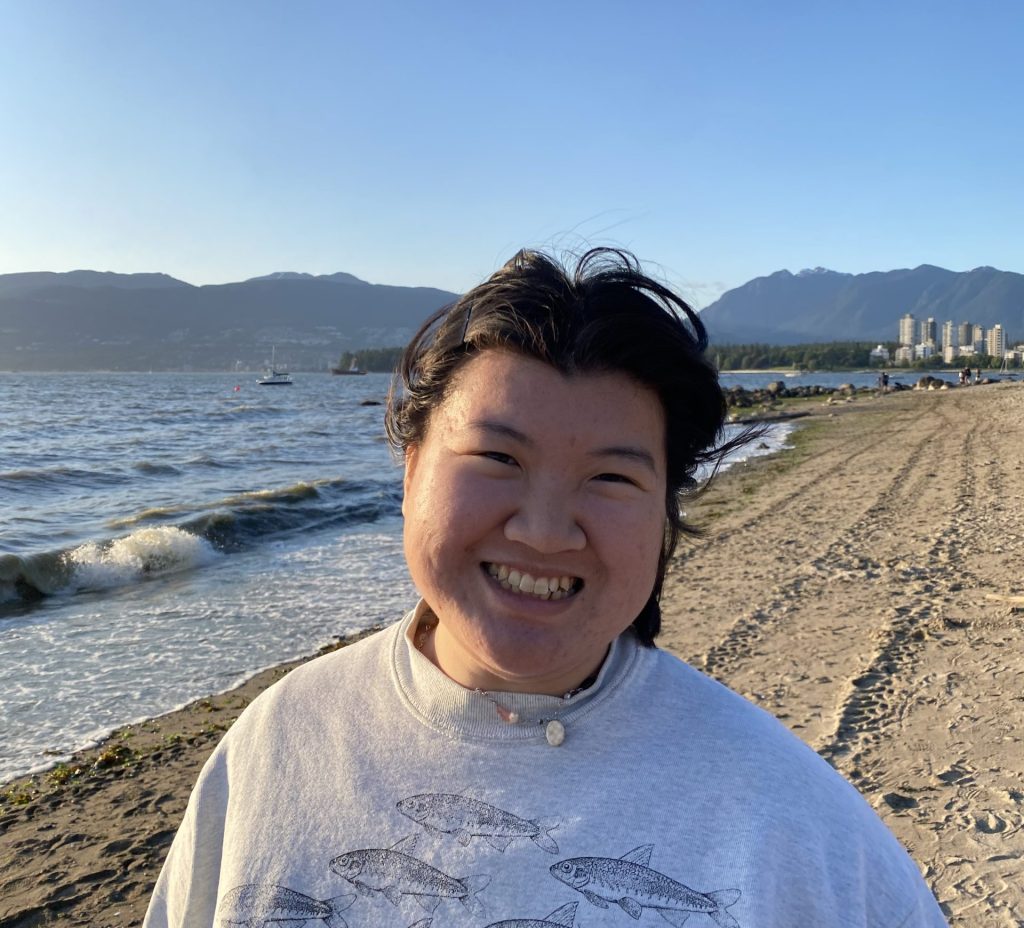
Annika Walsh
Annika Walsh
Annika Walsh is a transdisciplinary artist-researcher who explores food, cooking, and everything in between. Their work often takes the form of performance, participatory experiences, and other embodied modes of engagement. Love, gratitude, and curiosity are the compass points guiding Annika’s art-making and life-living. They completed a BFA with a specialization in Media Arts at the University of Ottawa in 2022. Currently completing a Master of Science in Integrated Studies in Land and Food Systems at the University of British Columbia, their research investigates how Chinese-Canadian adoptees’ relationships with food shape feelings of identity, connection, and belonging.
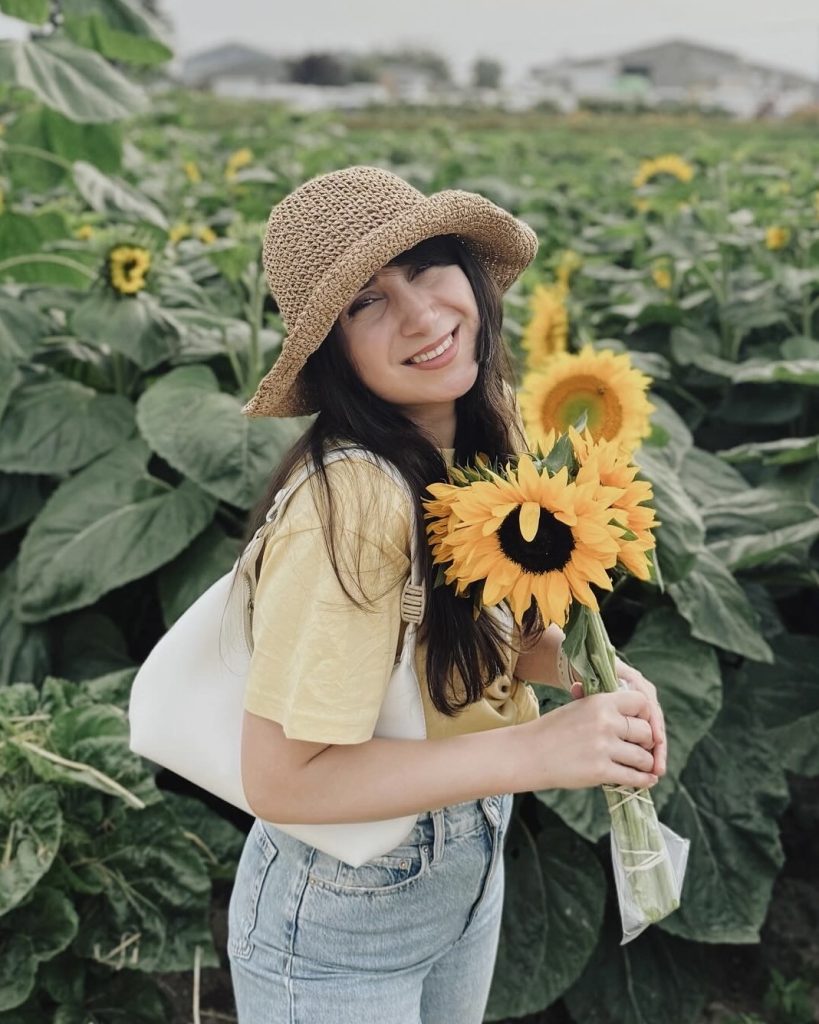
Sepideh Habibnattaj
Sepideh Habibnattaj
Sepideh Habibnattaj is a visual artist currently based in Vancouver, BC, where she works from
her cozy home studio. Originally from Iran, her journey as an artist began in childhood, fueled
by an early fascination with painting. She studied graphic design in high school, followed by a
Bachelor of Arts in Painting at university of Guilan, where she first explored academic realism
before gradually discovering her own expressive style.
Deeply influenced by Japanese artist Yayoi Kusama, Sepideh’s work merges personal emotion
with cultural symbolism. Her early pieces depicted self-portraits—long hair covering her face—
set against intricate Persian patterns, a quiet rebellion against the hijab she was forced to wear in
Iran. Over time, her work evolved into more symbolic compositions, including a series called
Chimera, where human forms merge with animal heads, exploring the shared instincts and
emotions between humans and animals.
Another key theme in Sepideh’s work is memory—particularly how it fades. In a university
illustration class, she began creating imaginary fish, intrigued by their fleeting memory span.
This became the foundation for The Fish Memory collection, where she uses cardboard, wood,
and ink to portray emotional fragility and the transient nature of thought.
Sepideh has held multiple exhibitions across Iran and has sold artworks to cafes, restaurants, and
private collectors who resonate with her unique voice. Today, she continues to develop Chimera
and The Fish Memory as parallel collections, each reflecting her ongoing exploration of identity,
resistance, and the subconscious.
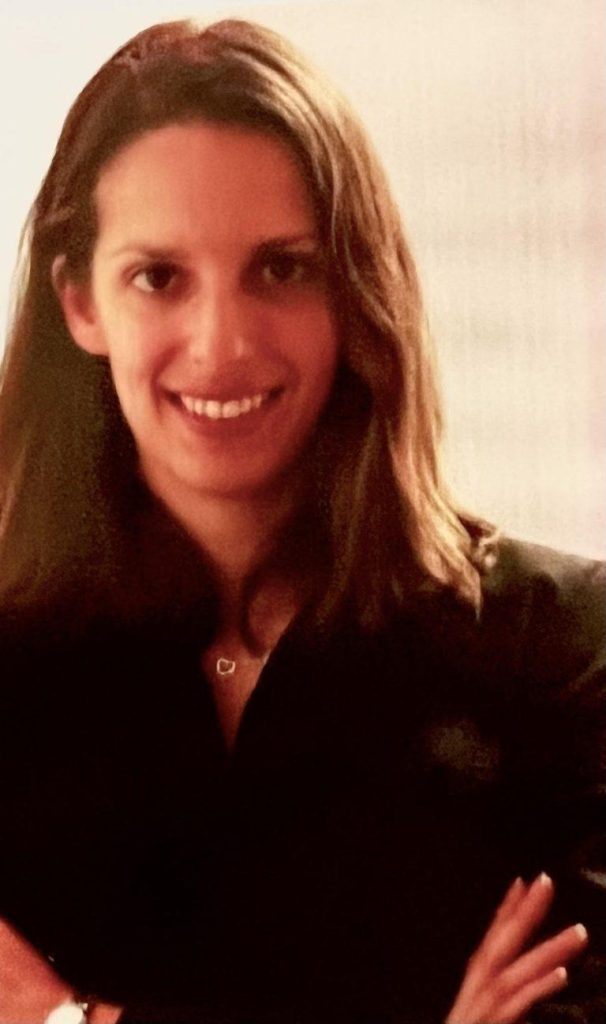
Vida Mehin
Vida Mehin
Vida Mehin – Lawyer Vida Mehin has over 20 years experience as a securities lawyer in the public and private sector in Canada and the United States. She has provided advice on capital markets regulation and banking law to market participants. As a mother of four young children, Vida has a particular interest in children’s involvement in the arts and women’s empowerment in artistic businesses. She is excited to join CACV as a board member to support artists and to foster a vibrant local arts community. Previously, she served as a board member of the Vancouver Ballet Society.
A. Cisneros
A. Cisneros
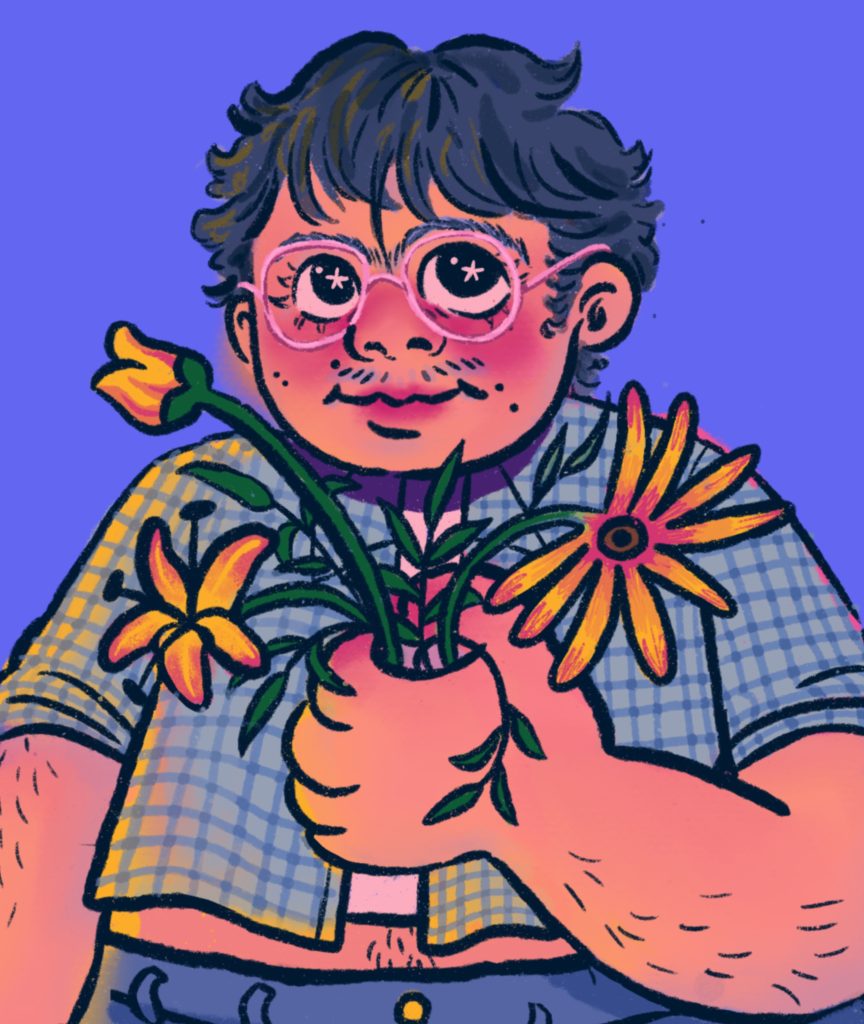
A. Cisneros is an artist living and studying on the unceded territories of the xʷməθkʷəy̓əm (Musqueam), Sḵwx̱wú7mesh (Squamish), and səlilwətaɬ (Tsleil-Waututh) peoples. Their practice is multidisciplinary, spanning from painting and drawing to textiles and sculpture, although it is ever growing and evolving. Often using found fabrics, patchwork is used as a visual language in this work. Mexican heritage and the intersection of cultural identities play a crucial role in the creation of both the artist and their work.
Pierre Leichner
Pierre Leichner
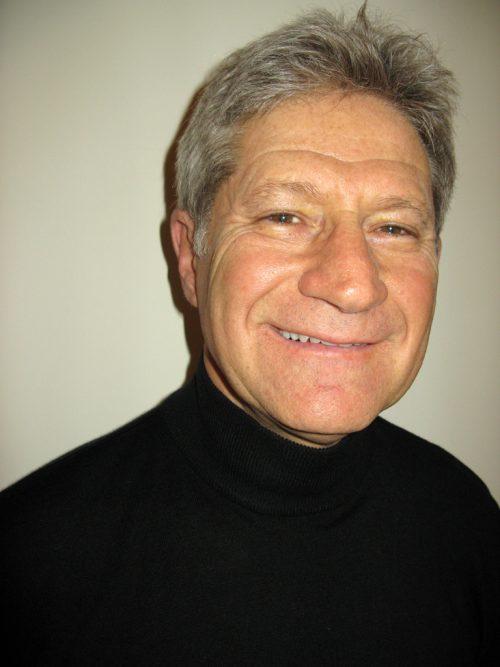
Between Arts and Sciences, I first chose science. Curious about the mind, I eventually became a psychiatrist. But my frustration with the business mentality that has infiltrated health care led me back to question my early decision. I received my BFA from Emily Carr in 2007 and my MFA from Concordia University in 2011. I am presently a full-time interdisciplinary artist with a socially engaged practice. My works have focused on environmental and mental health issues. I am a member of the Gallery Gachet and the Art Is Land collectives, a board member of the Community Arts Council of Vancouver and the Emily Carr Alumni.